Poor posture takes time to develop and cannot be fixed in one session. Spending long hours sitting down and using your phone constantly weakens your core and tightens your shoulders. This gradually pulls your body out of proper alignment. Yoga offers a different approach. Rather than trying to force immediate changes it teaches your muscles to support your spine naturally. When you practice regularly your posture improves gradually in a way that lasts. These six yoga poses are particularly effective for developing awareness & building the strength and balance needed to improve your posture over time.
1. Mountain Pose (Tadasana)
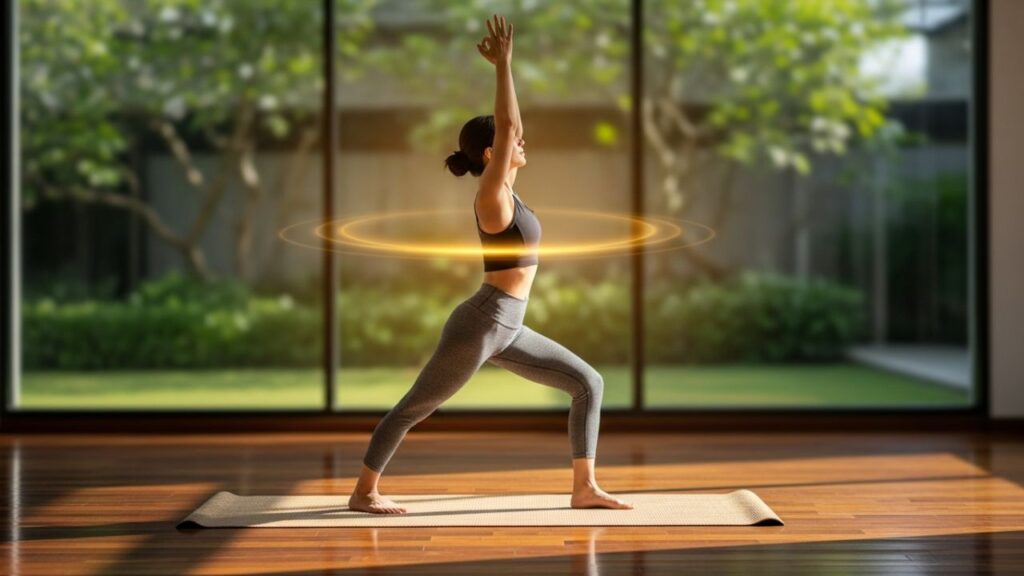
Mountain Pose may appear simple, but it is one of the most effective postural poses in yoga. It helps you understand what proper body alignment truly feels like. Standing upright with feet firmly grounded, shoulders relaxed, and the spine extended trains the body to hold itself correctly. Many people become aware in this pose of habits like slouching or locking the knees. Practicing Tadasana daily builds posture awareness that naturally improves how you walk, sit, and stand throughout the day.
2. Cat–Cow Pose (Marjaryasana–Bitilasana)
Cat–Cow gently guides the spine through forward and backward movement. This slow flow improves spinal flexibility and eases stiffness in the neck, shoulders, and lower back. As the spine moves freely, it begins to align more naturally. This pose also increases awareness of tension patterns that often contribute to poor posture. Regular practice supports a healthy spinal curve rather than a stiff or collapsed posture.
3. Cobra Pose (Bhujangasana)
Cobra Pose strengthens the upper and middle back muscles, which are commonly weak in people with slouched posture. It opens the chest and shoulders while encouraging natural spinal extension. Unlike deeper backbends, Cobra builds strength gradually without placing excessive pressure on the lower back. Over time, it helps correct rounded shoulders and forward head posture by activating supportive back muscles.
4. Child’s Pose (Balasana)
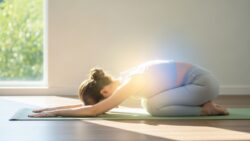
Improving posture is not only about building strength but also about releasing tension. Child’s Pose gently stretches the spine, hips, and shoulders while calming the nervous system. Stress often causes the body to collapse inward, affecting posture. Practicing Balasana regularly teaches relaxation without losing alignment and helps release lower-back tightness that can disrupt spinal balance.

5. Bridge Pose (Setu Bandhasana)
Bridge Pose strengthens the glutes, core, and lower back—key muscles needed for healthy posture. Weak glutes can cause pelvic imbalance, leading to poor spinal alignment. This pose opens the chest while stabilizing the hips and pelvis. With consistent practice, Bridge Pose supports the spine from the foundation, making upright posture feel more natural and effortless.
6. Seated Forward Bend (Paschimottanasana)
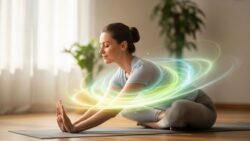
This pose stretches the entire back side of the body, from the neck to the hamstrings. Tight hamstrings often contribute to poor sitting posture by pulling the pelvis out of alignment. Paschimottanasana encourages length in the spine while promoting controlled, mindful movement rather than collapse. Practiced correctly, it enhances flexibility and body awareness, both of which are essential for long-term posture improvement.
Why These Six Yoga Poses Create Lasting Postural Alignment Over Time
Yoga does not rely on quick fixes. These poses work together to strengthen weak muscles, stretch tight areas, and improve body awareness. As flexibility increases and strength balances out, the spine naturally settles into better alignment. Practicing a few of these poses daily is more effective than occasional intense sessions. Small improvements add up, leading to noticeable changes in posture over weeks and months.
Practical Tips to Maximise Posture Improvements and Long-Term Results
Consistency matters more than duration. Even ten to fifteen minutes a day can make a difference. Focus on slow breathing and mindful movement rather than forcing positions. Pay attention to how you sit and stand after practice. Yoga teaches posture not only on the mat but also in daily life.