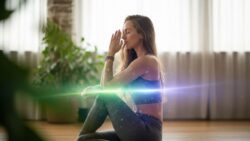
Maintaining good balance is important at every stage of life, but it becomes especially vital as we age. When balance declines, the risk of slips, falls, and injuries increases, which can affect confidence and independence in daily activities. Yoga offers a gentle yet highly effective way to improve balance, strengthen supportive muscles, and increase overall body awareness. With regular practice, yoga trains the mind and body to work in harmony, helping you feel steadier and more secure in everyday movements.

Why Balance Is Essential for Daily Safety
Balance involves much more than the ability to stand on one foot. It relies on a combination of muscle strength, joint stability, posture, vision, and mental focus. Weak leg muscles, tight hips, or a lack of core strength can make simple actions like walking on uneven surfaces or climbing stairs feel unsafe. Yoga addresses these factors together. Through slow, controlled movements and steady poses, it teaches the body how to adjust, stabilize, and respond calmly when balance is challenged. Over time, this helps reduce fall risk and builds confidence in movement.
How Yoga Supports Fall Prevention
Yoga improves balance by strengthening key areas such as the legs, ankles, hips, and core, which are essential for staying upright. It also enhances proprioception, the body’s natural ability to sense its position in space. Many yoga poses require mindful weight shifting, encouraging better coordination and awareness. Controlled breathing helps calm the nervous system, reducing tension and sudden movements that can lead to imbalance. With consistent practice, daily activities begin to feel smoother and more controlled.
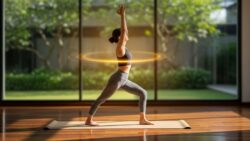
Effective Yoga Poses for Better Balance
Tree Pose
Tree Pose is one of the most recognized balance postures in yoga. Standing on one leg while placing the other foot on the calf or inner thigh strengthens the ankles, knees, and hips. It also improves mental focus and stability. Practicing this pose regularly helps you feel more grounded and confident during everyday movements.
Chair Pose
Chair Pose strengthens the thighs, hips, and core muscles. Although both feet remain on the floor, the pose challenges balance by shifting weight backward and engaging stabilizing muscles. Stronger legs provide better support for activities such as standing up from a chair or walking for extended periods.
Warrior III
Warrior III is a strong balance pose that improves coordination and body control. Balancing on one leg while extending the body forward engages the glutes, core, and back muscles. This pose reflects real-life balance challenges, such as reaching forward or bending slightly while standing.
Heel to Toe Walk
This simple, yoga-inspired exercise helps improve balance and concentration. Walking in a straight line with one foot placed directly in front of the other strengthens the ankles and enhances coordination. It is a safe and effective option for beginners and older adults.
Eagle Pose
Eagle Pose challenges balance by wrapping one leg around the other while bending the knees slightly. It strengthens the thighs, improves joint stability, and sharpens focus. This combination is important for preventing sudden missteps and improving overall balance control.
Mountain Pose with Arm Raises
Mountain Pose appears simple, but it is highly effective for developing posture awareness and balance. Standing tall with weight evenly distributed on both feet and slowly lifting the arms encourages stability and proper alignment. It is an excellent foundation pose for building balance confidence.
Tips for Practicing Balance Safely
When practicing balance poses, it is helpful to stay near a wall or chair for support, especially if you are new to yoga or healing from an injury. Move slowly, maintain steady breathing, and avoid pushing your body beyond its limits. Practicing barefoot on a non-slip surface can improve grip and stability. Even a few minutes of balance-focused yoga each day can lead to noticeable improvements.
Long-Term Benefits of Balance-Focused Yoga
With consistent practice, yoga enhances both physical balance and mental calm. Many people experience better posture, stronger legs, and greater confidence while walking or standing. Over time, these improvements can lead to fewer falls, reduced fear of movement, and a more active, independent lifestyle.